Hedge Trimming in Neasden

Hedge Trimming Neasden provides a focused hedge trimming service in Neasden for domestic gardens, managed outdoor spaces and front boundaries that need regular shaping, reduction or seasonal tidy-up. The work is centred on keeping hedges neat, healthy in appearance and proportionate to the space they occupy, with cuts made to improve form rather than simply shorten growth. Where appropriate, we can also support surrounding garden upkeep so the hedge work sits neatly within the wider condition of the garden.
The service is suitable for hedges that have become uneven, overgrown, too tall for convenient maintenance or simply in need of a cleaner outline. Trimming may involve light shaping, more considered reduction, or a combination of both depending on the hedge type and the result you want. Our approach is practical and careful, with attention given to the finished profile, access around the planting and the need to leave the area as tidy as possible once the work is complete.
For a clearer picture of the options, you can explore the service range and compare the main garden work we support around hedge care. If you are planning seasonal maintenance or want a one-off tidy-up, the best next step is to request a quotation and outline what needs doing.
Shaping and reduction for garden hedges
Regular hedge trimming is often about more than appearance. A good cut helps the hedge keep a controlled shape, encourages a more even line and prevents one section from becoming dominant over the rest. We work with hedges that need gentle shaping as well as those that need a more noticeable reduction in height or spread, always aiming for a result that looks balanced rather than harsh. The exact finish depends on the hedge species, its current condition and how much growth has built up since the last cut.
Where a hedge has become wide or uneven, a measured reduction can restore definition without making the planting look stripped back. In practical terms, this means assessing the thickness of the growth, selecting the right cut line and keeping the form consistent from end to end. We also consider visibility, boundary lines and any surrounding planting that should be protected during the work. If you are unsure whether your hedge needs light tidying or a stronger reduction, it helps to describe the current height and width when you ask for a quote.
What trimming can help with
Well-planned hedge care can support several useful outcomes, including a cleaner edge along a path or drive, a more settled boundary line and a smarter overall finish to the garden. It can also help to maintain access where hedges are narrowing a walkway or pushing into a frontage. In some gardens, the work is mainly about keeping growth within the intended shape; in others, it is about reducing an untidy bulk that has developed after a period without maintenance.
Maintenance for formal and informal hedge lines

Different hedges suit different levels of precision. Formal hedges usually benefit from straighter lines, sharper faces and a consistent top, while informal hedges may look better with a slightly softer outline that respects the natural habit of the plant. We trim with the final shape in mind, so the result looks suitable for the hedge rather than forcing every boundary into the same style. This is particularly useful where front gardens, side returns and shared edges each call for a slightly different finish.
Where hedges are part of a longer planting run, the cut often needs to be consistent across several sections so the whole line reads as one feature. That can mean levelling the top, bringing protruding sides back into line and easing areas that have grown more quickly than others. If there are gates, fences, walls or garden features nearby, the trimming may need to be planned around those edges carefully. In that sense, the service is as much about control and proportion as it is about removing growth.
For households that want broader help beyond hedge care, our garden maintenance work can be a useful complement because it keeps the wider space in step with the hedge finish. You can also read more about hedge trimming on the dedicated service page if you want a straightforward overview of the work before you ask for a quotation.
Access, preparation and tidy completion
Before any hedge trimming starts, it helps to think about access along the boundary and whether there are fragile plants, ornaments or furniture close to the work area. If a hedge sits beside a path or driveway, clear access usually allows the cut to be carried out more evenly and safely. We can work around a range of garden layouts, but a clear description of the hedge position and the areas around it makes it easier to plan the job properly.
A useful enquiry usually includes the hedge length, approximate height, whether the work is a light trim or a reduction, and whether clippings need collecting from the site. Photos can also help where the hedge has irregular sections or where its current shape is difficult to describe in words. Keep the details focused on the hedge itself and the immediate surroundings; that makes quotation preparation more efficient and avoids confusion about what is included. Simple, direct information is usually the most helpful.
If you also need waste-related support after the cutting, our garden clearance page explains the wider outdoor clear-up work we can help with. For combined projects involving several garden elements, the most useful first step is still to request a quotation so the hedge work and any associated clearing can be considered together.
Garden structure, boundaries and surrounding features
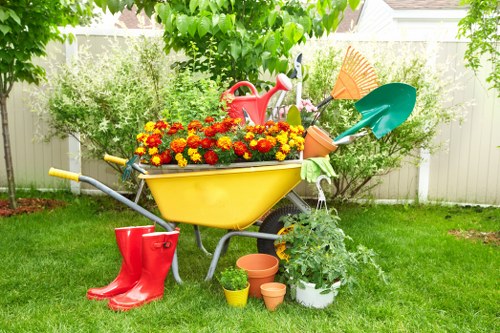
Hedges often do more than mark a border. They can frame entrances, soften a fence line, divide different parts of a garden and give structure to a front or rear boundary. Because of that, trimming needs to respect the role the hedge plays in the wider layout. A hedge beside a narrow walkway may need a slimmer profile, while one used as a screen may need careful attention to maintain coverage without letting the growth become too bulky.
When a hedge runs near lawn edges, decking, paving or planted beds, the shape of the cut can make a noticeable difference to how tidy the whole area appears. We keep the work measured so the hedge still reads as part of the garden rather than a separate job done in isolation. If the hedge is part of a larger outdoor plan, it may be sensible to discuss related work at the same time, especially where a consistent finish is wanted across multiple features.
Useful considerations before the work begins
- How tall and wide the hedge currently is.
- Whether the aim is shaping, reduction or seasonal tidy-up.
- Whether clippings should be removed from the site.
- Whether there are obstacles such as walls, beds or hard landscaping nearby.
Seasonal hedge care and growth control
Hedges grow at different rates through the year, so trimming is often best planned with the current condition of the planting in mind rather than by calendar alone. Some hedges need regular light cutting to hold a crisp line, while others benefit from less frequent but more substantial attention. Our service is designed to work with that variation. The aim is to restore control where growth has escaped, while keeping the hedge in a condition that is appropriate for ongoing care.
Seasonal trimming may also help prevent a hedge from becoming too heavy on one side or too dominant over nearby spaces. If the plant has been left for a while, the work may need to be approached in stages depending on how much can be sensibly removed in one visit. That is especially relevant for hedges that have become very broad or have sections of older wood beneath newer growth. The right balance matters: excessive cutting is not the same as good trimming, and a careful finish is usually preferable.
When you request a quotation, it is helpful to mention whether the hedge has been recently cut or has gone several seasons without maintenance. You can also include whether the area is mainly decorative, boundary-setting or screening. See pricing and quotes information if you want to understand the kind of details that help shape an accurate estimate before you contact us.
Supporting a neat finish for front and rear gardens

Many hedge trimming jobs are straightforward in concept but benefit from a tidy, steady method. Front gardens often need clear sightlines and a neat first impression, while rear gardens may need hedges brought back into line with patios, lawns or boundary fencing. We treat each setting individually so the result suits the space in which the hedge sits. A hedge in a compact front garden may need a lighter, more precise touch than one forming part of a deeper back boundary.
There are also practical differences in how hedges are used. Some are maintained mainly for appearance, some for privacy and some for both. That affects the style of cut and the amount of growth that should be retained. In all cases, the work is intended to improve the hedge without leaving it awkwardly over-processed. If you want related outdoor work to be handled in the same visit, it can be useful to look at our landscape gardening page for the broader type of garden improvement we support.
For larger gardens with several areas needing attention, hedge trimming can sit alongside other measured upkeep. That may include bringing a boundary hedge into shape while leaving the rest of the garden ready for seasonal use. The important point is that each cut should suit the planting and the setting, rather than applying one generic finish everywhere.
About Neasden
Neasden is an area in the London Borough of Brent in north-west London, long associated with the wider development of suburban London and shaped by transport links, residential streets and major road corridors. The district is known for the presence of Neasden tube station on the Jubilee line, which has helped connect it to central London and neighbouring parts of the capital. One of its most recognisable landmarks is the BAPS Shri Swaminarayan Mandir, a prominent Hindu temple in nearby Belmont Way, whose ornate stonework and detailed craftsmanship have made it a significant cultural and architectural feature in the area. Neasden is also close to Gladstone Park, a substantial public park with open space, views across London and routes used by walkers and local residents. The area’s character is shaped by a mix of housing types, local roads and community facilities, with everyday life reflecting the wider diversity of Brent. Historically, the name Neasden is thought to derive from Old English roots, and the district developed from a rural settlement into part of the expanding metropolitan landscape as London grew westward and northward. Today, it sits within a part of the city where older streets, later infill development and modern infrastructure exist side by side. The nearby Brent Reservoir, also known as the Welsh Harp, adds another well-known open-water setting to the broader locality, giving the north-west London fringe a landscape that includes both built-up neighbourhoods and open recreational space.
Garden hedges and related outdoor work
Hedge trimming is often one part of a wider pattern of garden care, especially where the hedge line needs to stay in step with lawns, borders or hard surfaces. When growth is reduced and shaped at the boundary, the rest of the garden can read more clearly, with paths, entrances and planting all appearing more deliberate. We can support that outcome with services that sit naturally alongside hedge care, including other garden-focused work where the layout or condition of the space calls for it.
On some properties, the most effective approach is to combine hedge trimming with attention to neighbouring features that also influence the overall look of the garden. That might mean bringing a long line of growth into alignment, then considering the wider setting so the finish feels complete. In practical terms, this can reduce the chance of one part of the garden looking newly managed while another part still appears overgrown or uneven. If the hedge forms a key visual edge, a controlled cut can have a noticeable effect on the whole space.
Our landscaping page covers broader outdoor improvement work where a hedge is only one part of the overall plan, and it may be useful if you are thinking beyond a simple trim. If your main need is still the hedge itself, the most direct next step is to ask for a quotation and explain the current state of the growth.
Clear quotations for hedge trimming work

Quotation requests are easier to handle when the work is described clearly. For hedge trimming, that usually means setting out the hedge location, a rough estimate of length and height, the type of finish wanted and whether any cuttings should be taken away. If the hedge has awkward access or sits close to other planting, mention that as well. These details help shape a realistic view of the work involved and make it easier to match the quote to the actual job.
If the hedge is part of a larger outdoor project, you can also note any related work you would like considered at the same time. That might include broader tidying, a little extra garden maintenance or a landscape feature that sits close to the hedge line. We keep enquiries practical and focused, so the information you send should reflect the work you want completed rather than an overly broad description of the entire garden. Specific details help produce a better quotation.
When you are ready, request a quotation and give us a clear description of the hedge work needed in Neasden. If you want to compare the main service pages first, contact us to arrange your quote and we will take the next step with you.