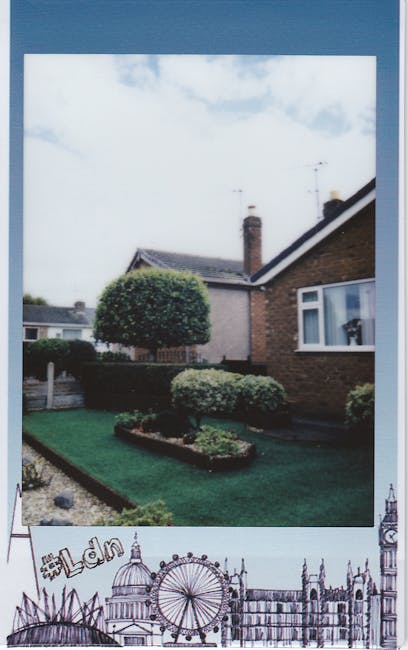
Neasden Station gardeners for small front garden makeovers
If your front garden feels too small to do much with, you are not alone. A narrow patch by the path, a tired strip of lawn, a couple of awkward steps, maybe a bin or bike that always ends up in view - it all adds up. The good news is that Neasden Station gardeners for small front garden makeovers can turn that overlooked space into something neat, welcoming, and properly useful without making it feel overdone.
In a busy part of London, front gardens have to work hard. They need to look good from the street, cope with shade, traffic dust, footfall, and the odd bit of commuter rush. They also need to be practical. This guide walks through how small front garden makeovers work, what to expect, and how to choose the right approach for your home. We will keep it grounded, local, and realistic. No fluff, no fanciness for the sake of it.
Whether you want a low-maintenance refresh, a cleaner entrance, better planting, or a full tidy-up before selling, this article covers the lot. And if you are comparing services, it also helps to know what sits alongside this type of work, like regular garden maintenance, front garden design, and even lawn care and edging when a bit of green space needs rescuing.
Table of Contents
- Why Neasden Station gardeners for small front garden makeovers Matters
- How Neasden Station gardeners for small front garden makeovers Works
- Key Benefits and Practical Advantages
- Who This Is For and When It Makes Sense
- Step-by-Step Guidance
- Expert Tips for Better Results
- Common Mistakes to Avoid
- Tools, Resources and Recommendations
- Law, Compliance, Standards, or Best Practice
- Options, Methods, or Comparison Table
- Case Study or Real-World Example
- Practical Checklist
- Conclusion
- Frequently Asked Questions
Why Neasden Station gardeners for small front garden makeovers Matters
A small front garden does more than decorate the front of a house. It sets the tone before anyone even reaches the door. For homes around Neasden Station, where streets can mix terraces, flats, and compact semis, that first impression matters a lot. A tidy, well-planned front space can make a property feel cared for, calmer, and more inviting. And honestly, people notice. Even if they do not say it out loud.
There is also a practical side. Small front gardens can easily become awkward storage zones, muddy patches, or a place where plants struggle because no one has really designed the space for how it is used. A proper makeover puts structure back into the area. That can mean clearer paths, better boundaries, smarter planting, improved drainage, or just removing clutter that has been annoying you for months.
In neighbourhoods with limited space, the difference between "a bit of garden" and "a usable front approach" is often surprisingly small. A few well-chosen changes can make the whole property feel more finished. A front garden does not need to be large to be effective. It just needs to be thought through.
If you are thinking beyond the front boundary too, it can help to compare how an entrance project fits with broader outdoor improvements. Some people begin with the front and then later look at patio installation, hedge trimming, or a full landscaping service once the basics are sorted.
Expert summary: Small front garden makeovers work best when every element has a job to do - structure, access, planting, privacy, or visual balance. If a feature does none of those, it probably needs a rethink.
How Neasden Station gardeners for small front garden makeovers Works
The process usually starts with a look at what the space is doing now, and what you want it to do better. That sounds simple, but it is the part that saves the most time and money. A small front garden is not the place for vague ideas. You need clear priorities. Do you want low maintenance? More planting? Better kerb appeal? Easier access for prams, bins, or bikes? A mix of all four? Lets face it, most front gardens are doing three jobs at once.
From there, a gardener or landscaper will usually assess the layout: the width of the path, sun and shade, existing soil condition, drainage issues, boundary lines, and any features worth keeping. In some homes near busy roads or busier corners, dust, shade, and compacted soil can affect what will thrive. That is normal. It just means the planting plan has to be realistic rather than wishful.
Once the priorities are clear, the work may include some combination of clearing, pruning, reshaping beds, improving soil, refreshing edging, laying gravel or mulch, installing planters, and replanting with suitable species. For tighter spaces, scale matters more than quantity. A few strong plants often look better than a crowd of tiny ones fighting for room.
A good small front garden makeover is usually staged. First, make the structure clean and functional. Then add planting. Finally, finish with details like lighting, pots, or a smart front boundary. That order matters. If you decorate before you sort the bones of the space, you tend to end up rearranging everything six weeks later. Which, to be fair, nobody enjoys.
If your project also needs regular upkeep after the makeover, it can be useful to look at seasonal garden care and garden clearance so the space does not slip back into clutter.
Key Benefits and Practical Advantages
The biggest benefit of a front garden makeover is simple: it makes the house feel more cared for. But there are several practical advantages that matter just as much.
- Better kerb appeal: A neat entrance makes the whole property look more appealing from the street.
- Easier maintenance: Thoughtful planting and sensible materials reduce weekly chores.
- Improved access: Clear paths and better layout make daily movement easier.
- More usable space: Even a tiny garden can work as a planting area, storage buffer, or visual feature.
- Better plant survival: Choosing species that suit shade, wind, and London conditions usually gives better results.
- Higher sense of privacy and order: Low hedging, screening, or planting can soften the view without blocking light.
There is also the quieter benefit: the space stops feeling like a problem. A front garden that has been designed properly tends to feel calmer. You open the door in the morning and the scene is just... sorted. No tangle. No surprise weeds. No "I should really deal with that" feeling every time you leave the house.
For homeowners thinking about how the front area fits into the whole property, it can help to review related services such as garden design consultation or driveway and border improvements. Sometimes the best results come from solving the edges, not just the main bed.
Who This Is For and When It Makes Sense
Small front garden makeovers are a smart choice for a lot of people, but they are especially useful if your space currently feels more frustrating than useful. If any of the following sounds familiar, it may be time to act.
- You want a front garden that looks better without needing constant upkeep.
- The area feels cluttered, uneven, or unfinished.
- Plants are struggling because the current layout is not suited to the site.
- You are preparing to sell or rent and want a better first impression.
- You need better access, clearer paths, or safer movement at the entrance.
- The garden is small enough that every square metre has to earn its keep.
This kind of work also makes sense when you have tried a few quick fixes and they have not held up. A new planter here, a bag of compost there, maybe some impulse plants from the weekend market - and yet the space still feels messy. Happens all the time. The issue is usually not effort. It is structure.
For some homes, a makeover is not about dramatic change at all. It is about simplifying. Removing one awkward feature can make the whole frontage breathe better. For others, it is about softening hard surfaces with planting and colour. There is no single template.
If you are comparing service levels, it may also be helpful to look at related support like weed control or hedging and shrubs maintenance if the front area already has an established framework that just needs smarter care.
Step-by-Step Guidance
A successful makeover is much easier when you break it down into stages. Here is the practical version.
1. Start with a clear brief
Write down what is not working and what you want instead. Be specific. "Better front garden" is too vague. "Low-maintenance planting, a wider path feel, and somewhere that does not attract weeds every fortnight" is much better. That small bit of clarity saves everyone time.
2. Measure the space properly
Small gardens are unforgiving if the measurements are off. Path width, bed depth, door clearance, bin access, and turning room all matter. In a compact frontage, a few centimetres can change the whole feel of the layout.
3. Assess the site conditions
Look at sunlight, shade, drainage, soil quality, and exposure to wind or road debris. A north-facing front garden in London may need very different planting from a bright, sheltered one. This is where local experience helps. A plant that looks lovely in a pot shop may sulk badly beside a cold wall. Nature has a sense of humour.
4. Decide on the structure first
Before buying plants, choose the bones of the design. That usually means paths, edging, seating if any, boundaries, and main surface materials. Gravel, paving, bark, mulch, and compact planting beds each create a different effect. Pick the framework first, then dress it.
5. Choose plants that suit the site
For small front gardens, neat shrubs, evergreen structure, seasonal colour, and compact perennials usually work well. The key is not to overcrowd. A little breathing space makes a garden look more considered. It also makes maintenance simpler, which is no bad thing.
6. Install the new layout
This stage may include clearing old growth, lifting tired turf, refreshing soil, adding edging, laying material, and planting in the right sequence. If drainage is poor, that should be addressed before final finishes. Otherwise, you may just be hiding the issue.
7. Finish with detail
This is where the garden starts to feel complete. Clean edging, a couple of well-sized pots, a smart climber, or low-level lighting can make a front entrance feel finished without turning it into a display garden. Quiet detail often works best.
8. Plan maintenance from day one
A makeover that looks great for two weeks is not much use. You need a simple care plan: watering, weeding, pruning, feeding, and seasonal tidy-up. If you want help staying on top of that, regular garden maintenance is worth considering from the start rather than as an afterthought.
Expert Tips for Better Results
A small front garden gives you very little room to be careless, which sounds harsh but is actually helpful. Everything is visible. So the best results usually come from restraint, consistency, and choosing features that do more than one job.
- Use repetition wisely: Repeating one or two plant types creates calm and makes the space look larger.
- Keep colour disciplined: Too many colours in a tiny area can look fussy. Pick a simple palette and stick with it.
- Think vertical: Wall climbers, trellis, or taller container planting can add presence without using floor space.
- Use edging to sharpen the design: Clean edges make a tiny garden look intentional, even if the planting is simple.
- Allow for growth: Small plants are affordable, but they should not be chosen as if they will stay small forever. They rarely do.
A useful local trick is to stand at the pavement edge and view the front garden from a distance, because that is how most people see it. If the shape reads clearly from there, you are on the right track. If it looks busy from ten metres away, it will probably feel busy when you open the door too.
Another tip: do not ignore the front boundary. A crisp hedge, low wall, or tidy fence can make even an ordinary planting scheme look much more polished. The boundary is part of the design, not just a backdrop.
If you want more support with planning the look and layout, it can be worth exploring planting design and front garden ideas before you commit to materials or plants.
Common Mistakes to Avoid
Small front gardens tend to fail for predictable reasons. The good thing is that most of them are avoidable once you know what to look for.
- Overcrowding the space: Too many plants, ornaments, or materials make a small area feel cramped.
- Choosing the wrong plants: Shade lovers in full sun, or thirsty plants in dry exposed sites, will struggle.
- Ignoring maintenance: A design that needs weekly fussing will probably not last long.
- Forgetting access: Paths that are too narrow or awkward quickly become annoying.
- Skipping soil improvement: Poor soil can undermine even a lovely design.
- Using too many surface materials: Gravel, slabs, bark, and decorative chippings all together can look muddled.
A common one, and this sounds small but it is not, is buying plants based only on how they look at the garden centre. In a front garden, scale, shape, and durability matter as much as flower colour. Sometimes more. A plant that looks fantastic in a pot on a bench may be far too wide, too thirsty, or too delicate for the actual site.
Another mistake is treating the makeover as a one-day fix when the garden needs a bit of aftercare. Even a tidy, well-built space needs bedding in. Soil settles. Plants adjust. Edges may need a second pass. That is normal, not a failure.
Tools, Resources and Recommendations
For a small front garden project, the right tools matter less than sensible planning, but they still help. A professional team will normally arrive with tools for clearing, cutting, edging, levelling, and planting. If you are doing part of the work yourself, these basics are often enough to make the job easier.
- Spade and border fork
- Hand trowel and secateurs
- Rake and stiff broom
- Wheelbarrow or garden trug
- String line or measuring tape
- Gloves and waste bags
- Watering can or hose access
- Edging tool for neat borders
For materials, the most useful choices are usually the ones that reduce maintenance without looking harsh. Mulch can suppress weeds and help moisture retention. Gravel can suit some front gardens, but it needs proper edging and a realistic plan for keeping it tidy. Paving or stepping stones are often best where daily access matters. There is no universal best option.
It is also wise to think about services that support the makeover rather than replace it. For example, if a front garden is fighting persistent weeds, a targeted weed treatment service may be useful before replanting. If the space is blocked by overgrown shrubs, shrub removal can create the opening needed for a cleaner design.
Law, Compliance, Standards, or Best Practice
Most small front garden makeovers do not involve heavy regulation, but there are still a few sensible UK considerations to keep in mind. If the work affects boundaries, shared access, drainage, or front walls, it is worth checking property ownership and any relevant permissions before making changes. That is especially true if the frontage sits near a public pavement, a shared drive, or a communal boundary.
As a general rule, good practice means:
- avoiding damage to shared or neighbouring property
- keeping access routes safe and clear
- disposing of green waste responsibly
- using stable materials for paths and steps
- checking for underground services before digging deeply
If your project involves larger structural changes, front wall rebuilding, drainage alterations, or changes close to the highway, it is sensible to seek professional advice rather than guess. Small gardens can still have hidden complications. A neat layout is great; a layout that creates a trip hazard or drainage issue is not.
Also, if the property is leasehold or part of a managed block, do check any estate or lease rules before altering the front area. Bit boring, yes, but better than undoing work later.
Options, Methods, or Comparison Table
Not every front garden makeover needs the same approach. The best choice depends on budget, upkeep tolerance, and how much change you actually want. Here is a simple comparison.
| Approach | Best for | Pros | Watch out for |
|---|---|---|---|
| Light tidy-up and replanting | Gardens that mostly work already | Quick, affordable, minimal disruption | May not solve layout problems |
| Low-maintenance redesign | Busy households and small urban spaces | Less upkeep, cleaner look, practical | Needs good plant and material choices |
| Full front garden makeover | Overgrown or awkward spaces | Big visual improvement, better structure | Takes more planning and budget |
| Planting-led refresh | Spaces with decent paths and structure | Softens hard areas, adds seasonal interest | Can look patchy if not well planned |
| Hard landscaping-led update | Front gardens needing access fixes or drainage help | Durable, tidy, functional | Too much hard surface can feel stark |
In practice, many of the best projects blend two methods. A compact frontage might need a stronger path and edging, plus a planting-led finish. That hybrid approach often gives the most balanced result. Not flashy. Just right.
Case Study or Real-World Example
Here is a realistic example based on the kind of small front garden makeover many local homes need. A homeowner near Neasden Station had a narrow front patch with tired grass, a few leggy shrubs, and a path that felt cramped. The garden was not huge, but it was the first thing people saw from the pavement, and it had started to look neglected.
The aim was not a grand redesign. It was to make the entrance feel cleaner and easier to manage. The work began by removing the struggling turf and reshaping the beds to create a more open flow from the gate to the door. The path edge was sharpened, the soil improved, and the planting was simplified into a small number of evergreen shrubs, low perennials, and one climbing plant for vertical interest.
The main difference came from restraint. Instead of trying to fill every gap, the garden was given a little breathing room. That made the front of the house look more spacious. A couple of pots were added by the entrance, not too many, just enough. The final effect was neat, welcoming, and easy to maintain without feeling sterile.
This kind of project is a good reminder that a small garden does not need a lot of features. It needs the right features. That's the bit people sometimes miss.
Practical Checklist
Use this before booking work or starting your own makeover. It keeps the project focused.
- Decide what the front garden must do: look better, need less upkeep, improve access, or all three.
- Measure the space, including paths, borders, and door clearance.
- Note sun, shade, wind exposure, and drainage issues.
- List any existing plants or features worth keeping.
- Choose a simple style direction: tidy and minimal, soft and planted, or structured and practical.
- Select plants that suit the site and do not outgrow the space too quickly.
- Plan the maintenance needed after the makeover.
- Check boundaries, access, and any lease or shared-property considerations.
- Budget for both installation and final tidy-up.
- Think about what the front garden should look like from the street, not just from the window.
If you can tick most of those off, you are already ahead of the game.
Conclusion
Small front gardens can be tricky, but they are also one of the most rewarding spaces to improve. With the right approach, a compact frontage can feel brighter, neater, and far more useful than it did before. That is especially true for homes near Neasden Station, where space is precious and first impressions count. The best results come from practical design, careful planting, and a plan that fits real life - not just a nice photo.
If you are weighing up your options, start with what the space needs most. Sometimes that is structure. Sometimes it is simple planting. Sometimes it is removing a few things that have outstayed their welcome. Either way, a well-handled makeover can make coming home feel that little bit better. And truth be told, that is what good garden work should do.
Get a free quote today and see how much you can save.
Frequently Asked Questions
What do Neasden Station gardeners for small front garden makeovers usually include?
They usually cover a mix of tidying, clearing, planting, edging, layout improvements, and finishing touches. The exact work depends on your space, but the aim is usually to make a small front garden look better and function more smoothly.
How long does a small front garden makeover take?
That depends on the scope of the work. A light refresh may take a short visit, while a fuller redesign can take longer because of clearing, soil preparation, planting, and material installation. It is best to ask for a clear schedule before work starts.
Is a small front garden makeover worth it?
For most homeowners, yes. Even modest changes can improve kerb appeal, reduce maintenance, and make the entrance feel more welcoming. If the space is awkward or tired, a makeover can make a surprisingly big difference.
What are the best plants for a small front garden in London?
The best plants are usually compact, hardy, and suited to the light levels at your property. Evergreen structure, low perennials, and plants that tolerate urban conditions often work well. A local gardener can help match planting to your exact site.
How much maintenance will my front garden need after the makeover?
That depends on the design choices. A low-maintenance front garden should need less frequent work, but it will still need seasonal tidying, watering when young, and occasional pruning or weeding. There is no truly maintenance-free garden, not really.
Can I make a very small front garden look bigger?
Yes. Cleaner lines, fewer materials, restrained planting, and good edge definition can all make a small front garden feel larger. Keeping the design simple usually helps more than trying to cram in extra features.
Do I need planning permission for a front garden makeover?
Most cosmetic garden changes do not need planning permission, but larger structural changes, boundary work, drainage alterations, or work affecting the pavement or shared access may need more thought. If in doubt, check before starting.
What is the difference between garden maintenance and a makeover?
Maintenance is about keeping an existing garden healthy and tidy. A makeover changes the layout, look, or structure of the space. Sometimes the two overlap, especially when a front garden needs both a redesign and ongoing care.
Can a front garden makeover help if the area is overgrown and messy?
Absolutely. In fact, overgrown front gardens are often the best candidates. Clearing, reshaping, and replanting can turn a cluttered entrance into a manageable space that feels much calmer to live with.
How do I choose between gravel, paving, or planting?
Think about maintenance, drainage, access, and the look you want. Gravel can suit some spaces but needs proper edging. Paving is good where people walk often. Planting softens the frontage but should be chosen carefully for the site conditions. Often the best result is a balanced mix.
What should I ask before hiring a gardener for this type of work?
Ask what is included, how the layout will be approached, what plant choices are suitable, whether soil or drainage issues will be addressed, and how maintenance will work after installation. A good gardener should be able to explain the plan in plain English.
How can I keep costs sensible on a small front garden project?
Focus on the highest-impact changes first: clearing clutter, improving layout, and choosing a limited number of good-quality plants and materials. Avoid buying too many features at once. A simple, well-executed design often looks better than a more expensive one that is overcomplicated.