Emergency hedge trimming gardeners in Neasden for storm damage
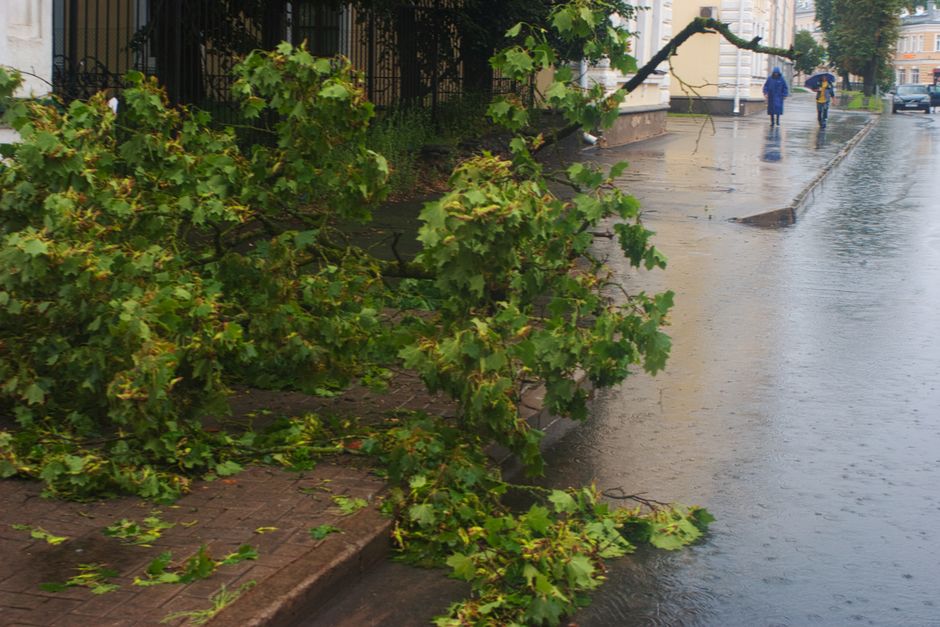
When a storm tears through Neasden, hedges can go from neat boundary feature to a sagging, splintered mess in a single evening. Broken branches, ripped growth, leaning sections and debris on paths are more than a cosmetic nuisance. They can block access, hide hazards, and make a garden feel unsettled at exactly the moment you want things back under control.
If you are looking for Emergency hedge trimming gardeners in Neasden for storm damage, you are probably dealing with one of those awkward real-life situations: the wind has done damage, you need the garden made safe quickly, and you do not want a long wait or a vague promise. This guide explains what emergency hedge work involves, how it is handled, what to expect from a proper local team, and how to decide what needs doing first. It is practical, straightforward, and aimed at helping you act calmly rather than panic-booking the first person who answers the phone.
For broader garden support after the immediate clean-up, it can also help to know how ongoing garden maintenance and garden clearance fit into the picture once the worst of the storm damage has been dealt with.
Table of Contents
- Why emergency hedge trimming after storm damage matters
- How emergency hedge trimming works
- Key benefits and practical advantages
- Who this is for and when it makes sense
- Step-by-step guidance
- Expert tips for better results
- Common mistakes to avoid
- Tools, resources and recommendations
- Law, compliance, standards and best practice
- Options, methods and comparison table
- Case study or real-world example
- Practical checklist
- Conclusion
- Frequently asked questions
Why Emergency hedge trimming gardeners in Neasden for storm damage Matters
Storm damage is not just a tidy-up job. A hedge can look "a bit rough" from the pavement while actually hiding snapped stems, split trunks, loose sections and wind rock at the base. In plain English, that means part of the hedge may still be unstable even after the rain has stopped. If someone brushes past it, or if the next gust lands before the hedge is stabilised, the damage can spread.
In Neasden, where gardens are often tight to fences, side access paths and shared boundaries, these problems can be especially awkward. A leaning hedge might overhang a neighbour's space, shed debris onto a walkway, or obscure visibility near a drive. That creates a practical issue very quickly. People need to get in and out, bins still need moving, and the garden cannot simply be ignored until next month. Let's face it, storms rarely arrive at convenient times.
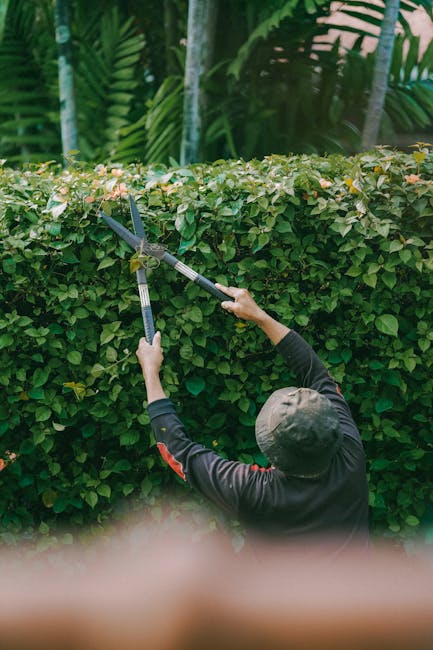
Emergency trimming matters because it focuses on safety first. That usually means removing loose, hazardous growth, tidying torn sections, and making the hedge stable enough for a proper follow-up trim later. It is not about forcing a perfect shape straight away. Sometimes the best job is the one that stops the mess getting worse.
There is also a visual side to it. A battered hedge can make the whole property feel neglected, even if the rest of the garden is fine. Once a damaged hedge is cut back properly, the space often feels calmer almost immediately. You notice the light again. You notice the path. The garden feels usable. Small thing, maybe, but it matters when your weekend has already been disrupted.
How Emergency hedge trimming gardeners in Neasden for storm damage Works
Emergency hedge trimming usually starts with a fast assessment. A gardener looks at what has actually happened, not just what appears messy from a distance. Are branches broken but still attached? Has the hedge flattened in one section? Is the base exposed? Is the hedge safe to cut, or does it need a more careful approach because of instability?
After that comes the safety decision. Some hedges can be trimmed immediately with hand tools or hedge trimmers. Others need sections removed in stages so the structure is not shocked further. If there are large broken limbs or a tree issue involved, a service such as tree lopping and removal may be more suitable for the dangerous part, with hedge trimming used for the surrounding growth. That distinction is important. A hedge and a tree are not the same thing, even if storm damage makes them look equally miserable.
The next step is usually removing debris and making the area safe to work in. Fallen twigs, snapped stems, soaked clippings and hidden wire or fence damage can get in the way. Then the actual trimming begins. A good emergency cut will typically:
- remove broken, jagged or hanging growth first
- reduce weight from the damaged side
- retain as much healthy structure as possible
- leave clean, angled cuts where appropriate
- restore access and reduce trip hazards
After the urgent work, many gardeners recommend a second visit once the hedge has settled. That later visit can refine the shape, improve density and repair any unevenness caused by the storm. If the garden needs wider attention, a service like hedge trimming or even broader services overview planning may be the sensible next step.
Key Benefits and Practical Advantages
The main benefit is obvious: safety. Broken hedge material can fall unexpectedly, scratch passers-by, block narrow paths or conceal other damage. Clearing and trimming it promptly lowers that risk. If a hedge is pressing against a fence or overhanging a driveway, emergency action also helps prevent secondary problems. One bad storm can create three or four little problems, all at once.
There is also a speed advantage. A professional emergency response is usually far quicker and more organised than trying to deal with it yourself after work with a pair of blunt shears and a bin bag. Truth be told, most people underestimate how long storm clean-up takes until they are halfway through the first hedge and the bags are already full.
Other practical advantages include:
- Better access: paths, gates and side returns are easier to use again.
- Less mess spreading: loose clippings do not keep blowing around the garden.
- Protection for surrounding plants: damaged growth is less likely to tear into nearby beds.
- Improved appearance: the property looks cared for rather than left in distress.
- Clearer next steps: you can see whether further landscaping or repairs are needed.
If the storm has affected more than the hedge, it can make sense to combine the work with garden maintenance so the whole space is brought back into shape together instead of in bits and pieces.
Expert summary: the best emergency hedge response is not the neatest cut on day one; it is the cut that makes the garden safe, stable and ready for proper recovery.
Who This Is For and When It Makes Sense
This service is for anyone whose hedge has been damaged by wind, heavy rain, snow, or falling debris and now needs attention without delay. That includes homeowners, landlords, managing agents and people looking after a property while someone else is away. It also makes sense if the hedge is shared with a neighbour and the damage has created a boundary issue that needs quick, calm handling.
You may need emergency help if:
- branches are hanging loose or half-broken
- the hedge is leaning after strong winds
- the growth is blocking a path, gate or drive
- storm debris has made the garden unsafe to use
- the hedge is pressing into fencing, sheds or outdoor structures
- you need the site cleared before visitors, tenants or tradespeople arrive
Some people only need a quick stabilising trim. Others need a larger tidy-up that sits alongside garden clearance or even a wider landscaping repair plan if fences, beds or borders have also been battered.
A useful rule of thumb: if you are hesitating because the hedge "looks okay enough," step outside and look again after dark with a torch or first thing in the morning. Storm damage often reveals itself when the light hits it differently. You will notice the broken tips, the torn leaves, the awkward tilt. It is usually more obvious than it first seemed.
Step-by-Step Guidance
If you need urgent help, a simple process makes the whole thing less stressful. Here is the practical version.
- Check for immediate danger. Look for hanging branches, unstable stems, hidden glass, or anything that could fall. Do not climb ladders near a damaged hedge if the ground is wet or the hedge is still moving in the wind.
- Take a quick look at the scope. Decide whether this is mainly trimming, debris removal, or something bigger involving fencing, trees or access routes.
- Photograph the damage. It is a good habit, especially if the hedge is shared, or if you may need to explain the condition to an insurer, landlord or neighbour later.
- Arrange an emergency visit. Choose a gardener who can respond quickly and who understands both hedge structure and storm-damage safety.
- Clear access where you safely can. Move bins, small pots and lightweight furniture out of the work area. Leave anything heavy or risky alone.
- Let the team assess on arrival. A proper assessment may change the plan on the spot. That is normal. Storm damage is rarely neat.
- Approve the safest priority order. Usually this is: make safe, clear debris, reduce hazard, then shape.
- Plan the follow-up. If the hedge has lost shape or density, schedule a second visit for recovery trimming rather than forcing everything into one rough cut.
A quick example: a Leylandii hedge in a Neasden rear garden might have one side flattened by wind and another side split by trapped debris. The right move is not a brutal cut across the whole hedge. It is to remove the damaged material, reduce weight, and then see what the hedge actually needs once it has stopped drooping like a tired curtain.
Expert Tips for Better Results
Good emergency hedge work is part technique, part judgement. The tricky bit is knowing what not to cut. Over-trimming after a storm can leave thin patches that take months to recover. Under-trimming can leave weak, ragged sections that keep catching the wind. The middle ground is usually where the best result lives.
Here are some practical tips that tend to make a real difference:
- Trim in stages where needed. If the hedge has been hit hard, a two-step recovery is often better than one heavy cut.
- Keep the top slightly narrower than the base. That shape helps light reach lower growth and supports denser regrowth.
- Use clean cuts on torn stems. Ragged tears can dry back and look worse later.
- Watch the neighbour side carefully. Boundary hedges can create awkward conversations if the wrong section is removed.
- Ask what can safely be retained. Healthy material is valuable. You do not want to strip more than is necessary.
Another sensible tip: if the storm has been followed by a second burst of wind, wait for a calmer window before final shaping. Cutting during active gusts is a bit like trying to fold a duvet on a moving bus. Not ideal.
And if the hedge forms part of a wider front or back garden layout, think about the whole scene. A tidy hedge next to an untidy lawn can still make the space feel half-finished. That is where lawn mowing can complement the hedge work neatly.
Common Mistakes to Avoid
After storm damage, people often want a fast fix. Fair enough. But rushed decisions can make the hedge look worse or recover more slowly. One common mistake is cutting everything back to the same line without checking what is actually damaged. That can leave a hedge thin, unbalanced and strangely patchy for the rest of the season.
Another mistake is ignoring hidden damage at the base. If the root area has shifted or the hedge has been rocked by wind, surface trimming alone will not solve the real problem. The hedge may look tidier while still being unstable underneath. That is the bit you do not want to miss.
Other mistakes to avoid include:
- using blunt tools that crush rather than cut
- working on wet, slippery ground without proper care
- pushing ahead before checking for fence or wire damage
- cutting too much from young or stressed hedges
- forgetting to plan disposal for the waste
And a small but important one: do not assume all hedge damage can be treated the same way. A dense evergreen hedge and a mixed border hedge react differently. One may recover well from a trim, while the other needs gentler shaping. That's gardening for you. Always a little more complicated than it first looks.
Tools, Resources and Recommendations
Emergency hedge trimming relies on the right equipment, but the real value is using it well. For basic work, hand shears, hedge trimmers, loppers, gloves and eye protection are the usual starting points. For larger storm damage, you may also need saws, tarps, a rake, and suitable waste containers.
From a homeowner point of view, the most useful "resource" is a clear understanding of what the hedge needs versus what the garden needs. If the hedge is the main issue, a focused trimming job may be enough. If the garden is full of broken branches, soaked cuttings and windblown debris, then a broader clean-up through garden clearance is usually more efficient.
Useful recommendations for storm-hit hedges:
- Keep a photo record before and after work.
- Use heavy-duty garden bags or a waste collection plan for the clippings.
- Check access routes first so the work area is not blocked halfway through.
- Retain some healthy growth where the hedge is recovering from stress.
- Book maintenance follow-up if the hedge has become lopsided or sparse.
If you want to understand how the business approaches safety and worksite care, it is sensible to review the company's insurance and safety information alongside the health and safety policy. That does not fix the hedge, of course, but it does help you feel more comfortable about who is handling the job.
Law, Compliance, Standards and Best Practice
Storm-damaged hedge work sits in a practical grey area where common sense and good practice matter a lot. There is no need to overcomplicate it, but there are a few sensible principles worth keeping in mind.
First, if the hedge is on a boundary, be careful about ownership and access. A hedge may be yours, shared, or part of a broader property arrangement. Before major work, it is wise to avoid assumptions. A quick conversation can prevent a longer argument later, and nobody wants that on a damp Tuesday evening.
Second, safe work methods matter. In the UK, gardeners and property owners generally follow normal workplace safety expectations: do not use damaged equipment, do not work at height without suitable precautions, and do not leave sharp debris where it can injure someone. If the hedge is near a road, footpath or shared entry, extra care is needed so waste and branches do not create new hazards.
Third, waste handling should be sensible and responsible. Wet green waste can be heavy, so planning disposal matters more than people expect. If the clean-up is substantial, it may fit alongside the company's recycling and sustainability approach, especially when clippings and other garden material need sorting properly.
Finally, best practice means not forcing an ornamental finish on a hedge that is still recovering. A well-managed emergency job should prioritise safety, preserve healthy growth where possible, and leave the hedge in a condition that can be improved later. That is the standard worth aiming for.
Options, Methods and Comparison Table
Not every storm-damaged hedge needs the same response. Sometimes a quick tidy is enough. Sometimes the hedge needs proper restoration work. Sometimes it is part of a bigger garden repair job. The right choice depends on safety, size and how badly the hedge has been hit.
| Approach | Best for | Pros | Limitations |
|---|---|---|---|
| Emergency safety trim | Loose branches, blocked access, immediate hazards | Fast, practical, reduces risk quickly | May leave the hedge uneven until follow-up work |
| Full hedge restoration trim | Hedges with heavy shape loss but stable structure | Improves appearance and balance | Needs more time and may not suit badly weakened growth |
| Combined clearance and trimming | Storm debris plus damaged hedge material | Cleans the whole space in one visit | More work overall, so planning matters |
| Trimming plus boundary repair planning | Hedges damaged alongside fences or garden structures | Helps avoid repeat damage and messy gaps | May require more than one trade or visit |
If the storm has affected the wider layout, it may be worth exploring landscape gardening or even landscaping options once the hedge is safe again. That is especially true where the hedge and the rest of the garden are meant to work together visually.
Case Study or Real-World Example
Imagine a modest rear garden in Neasden after a windy night. The hedge along one side has lost shape, a few branches are hanging into the path, and the lower section is bent where debris has pressed against it. Nothing dramatic enough for a full rebuild, but enough to make the garden feel untidy and awkward to use. The family wants the path clear before the weekend, and the neighbour has already mentioned the overhang.
A practical emergency response would start with removing the hanging pieces and any loose clippings, then reducing the worst of the wind-battered growth without stripping the hedge bare. The gardener would check whether the hedge is pushing against the fence and whether any hidden damage needs a second look. After that, the area would be left safe and usable, with a clearer view of whether the hedge needs a follow-up trim in a few weeks.
What usually surprises people is how much better the space feels after the first careful cut. Not perfect. But calmer. More settled. You can hear the difference too, in a way - less rustling against broken stems, less scraping from branches caught on fencing, less of that nagging "we need to sort this" feeling every time you look out the window.
If the job involves more than the hedge itself, it can be worth checking whether a bit of about the team context helps build confidence before booking, especially if you are inviting someone to work close to the house or boundary.
Practical Checklist
Use this checklist when you are deciding what to do after hedge storm damage:
- Check whether anyone is at immediate risk from falling branches
- Look for blocked access, broken stems, leaning sections or exposed damage
- Take photos before any trimming begins
- Identify whether the issue is hedge-only or part of a wider garden problem
- Make sure the work area is safe to reach
- Ask for a plan that prioritises safety first and appearance second
- Confirm how the waste will be removed or handled
- Think about whether a follow-up trim will be needed
- Keep neighbours informed if the hedge affects a shared boundary
- Review whether the rest of the garden needs maintenance after the storm
One more small tip: if the hedge is near a deck, shed or seating area, look there too. Storm damage rarely stays in one neat line. The clippings end up everywhere, as if they paid rent there.
Get a free quote today and see how much you can save.
Conclusion
Emergency hedge trimming after storm damage is really about restoring control. A damaged hedge can make a garden feel unsafe, blocked and oddly unsettled, but a fast, careful response changes that quickly. The best approach is practical rather than dramatic: make the area safe, preserve healthy growth where you can, and tidy the space in a way that supports recovery.
In Neasden, where gardens often sit close to fences, side paths and neighbouring boundaries, that calm, measured approach matters even more. It protects the hedge, protects the property, and saves you from turning a storm problem into a bigger one. If you deal with it properly now, the garden has a much better chance of settling back into shape without fuss.
And honestly, once the broken bits are gone and the path is clear again, even a small garden can feel like it's breathing properly. That is often the moment people realise the job was about more than tidiness. It was about getting the place back to normal. Maybe not perfect. Just better. Much better.
Frequently Asked Questions
What counts as emergency hedge trimming after storm damage?
It usually means urgent hedge work needed to remove hazards, clear blocked access, or stabilise damage caused by wind, rain or falling debris. The priority is safety first, neatness second.
How quickly should a storm-damaged hedge be dealt with?
As soon as practical, especially if branches are hanging loose or the hedge is blocking a path, drive or boundary area. If there is a clear safety risk, it should not be left until the weather improves next week.
Can a badly damaged hedge be saved?
Often, yes. It depends on how much healthy growth remains and whether the base is still stable. A careful emergency trim can preserve a lot, even when the hedge looks a bit rough at first.
Is emergency trimming the same as regular hedge trimming?
No. Regular hedge trimming focuses on shape and routine upkeep. Emergency trimming is more about safety, damage control and removing loose or broken growth after a storm.
What should I do before the gardener arrives?
Take photos, move lightweight items away from the area, and avoid touching unstable branches. If possible, make sure the gardener can reach the hedge without obstacles. That small bit of prep really helps.
Will storm damage trimming make my hedge look uneven?
It can, especially if only one section was damaged. A good gardener will aim for a safe, balanced result and may suggest a follow-up trim once the hedge has settled and regrown a little.
Do I need garden clearance as well as hedge trimming?
If the storm has scattered lots of branches, leaves and mixed debris around the garden, then yes, a combined clearance can be more efficient. It depends on how messy the space is, to be fair.
What if the hedge damage is actually from a fallen tree branch?
Then the problem may be bigger than the hedge itself. In those cases, the damaged material may need to be handled as part of a tree-related job rather than hedge trimming alone.
How do I know whether the hedge needs one visit or two?
If it only needs loose material removed and the shape can be restored safely, one visit may be enough. If the hedge has been heavily flattened or stripped, a second recovery visit is often the better option.
Can storm damage affect neighbours or shared boundaries?
Yes. Overhanging or fallen hedge material can create access issues or boundary concerns. It is usually best to deal with it quickly and keep communication open if the hedge sits on or near a shared line.
What happens to the cuttings after emergency hedge work?
That depends on the size of the job and the service arrangement. Some jobs only create a few manageable bags; others produce a lot more waste that needs careful removal or recycling.
Should I book follow-up maintenance after the emergency work?
Very often, yes. A storm-damaged hedge may need a later tidy-up to even out the shape, restore density and keep it looking healthy. Follow-up care makes a real difference.
How do I choose a trustworthy local gardener for this work?
Look for clear explanations, sensible safety practices, and a realistic plan rather than a rushed promise. A trustworthy team will talk you through the damage and tell you what can be saved, not just what can be cut.